Let’s talk about the black hole that is enterprise tech spending. Millions go in, but actual business value rarely comes out. You know the drill by now. A massive cloud migration gets the green light. A custom application gets built. Twelve months later, everyone is looking around the boardroom wondering why top-line revenue didn’t budge and operations are just as messy as they were before.
It’s a frustrating reality for a lot of executives. And the data backs up the feeling—a huge chunk of these “digital transformation” efforts just flat-out fail to deliver any real ROI. Budget overruns are practically the default setting. But here’s the secret: the problem is almost never the software. It’s rarely your engineering team’s fault, either.
The real issue is a glaring disconnect between overarching business goals and day-to-day IT execution.
Most companies are completely stuck in a maintenance trap. They burn through their capital just keeping old, clunky legacy systems on life support. By the time they look up to fund actual growth initiatives, the budget is tapped out. Add in the absolute chaos of fragmentation—where marketing, HR, and sales all buy their own SaaS tools without talking to IT—and you end up with a tangled, expensive mess.
Then you have to look at the scoreboards. If your tech team is high-fiving over 99.9% server uptime while the C-suite is sweating over shrinking profit margins, your organization isn’t even playing the same game.
Fixing this divide takes a lot more than just switching vendors or buying better tools. It requires a fundamental shift in how your company picks, funds, and judges its tech projects. Here is how you actually get business and tech teams pulling in the same direction.
Stop funding hype. Stop greenlighting technology just because it looks incredible in a pitch deck. Force every single proposal through a ruthless scoring process. Does it directly drive revenue? Does it drastically cut overhead? Is it technically realistic for the team you currently have? If it doesn’t clearly hit those marks, don’t fund it.
Tear down the operational walls. The old habit of business leaders tossing a list of demands over a fence to the developers is a recipe for disaster. The most successful organizations build cross-functional teams. Put your business analysts, operations folks, and software engineers in the exact same room, working on the exact same product.
Measure what actually moves the needle. Nobody outside the IT department cares about code deployment frequency. Replace those internal metrics with corporate indicators that matter: time-to-market for new features, total cost of ownership, and overall profitability.
Ditch the rigid annual budget. The market moves way too fast to lock your capital into a 12-month plan. If you only review spending once a year, your tech teams will end up executing dead project plans simply because the money was approved a year ago. Move to quarterly reviews. Kill failing projects early and reallocate that cash to stuff that’s actually growing.
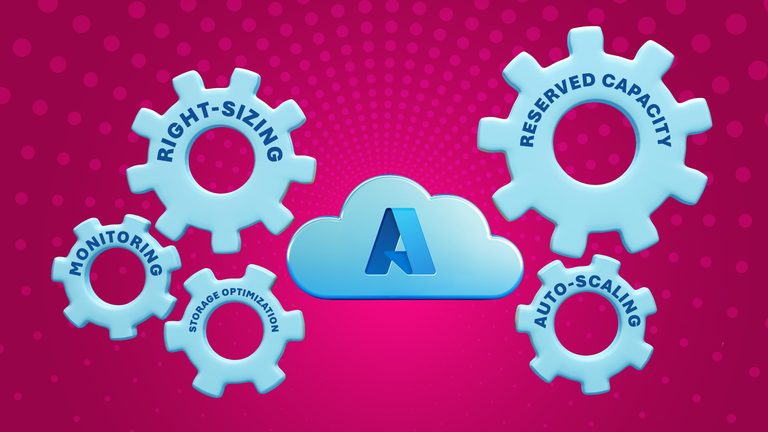
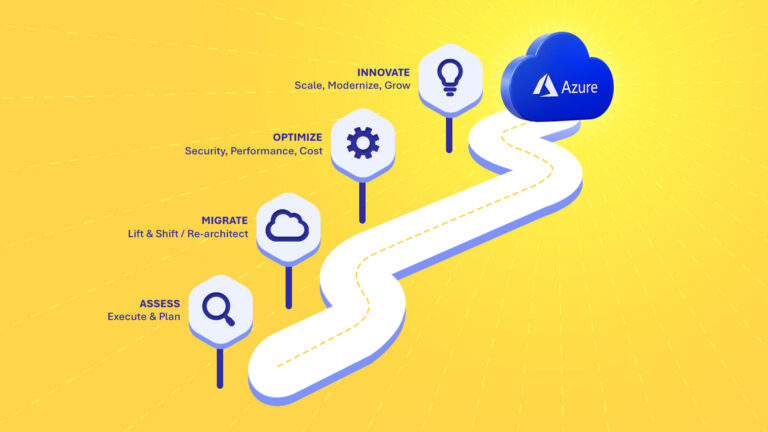
Modernize for actual speed. Brittle, on-premise infrastructure is an anchor. Moving workloads to flexible public clouds shifts your spending from massive capital expenses to manageable operating costs. More importantly, it gives your engineering team the ability to pivot instantly when the market demands it.
Aligning your tech strategy with your business goals isn’t a one-off project. It’s a permanent habit. When you finally tie software delivery directly to corporate profits, the results speak for themselves. Take a hard look at your portfolio, adjust your metrics, and stop letting IT operate on an island.
Let’s build smarter campaigns together. Reach out to our team today.
Whether you’re starting from scratch or optimizing what you already have, we’ll help you turn great ideas into powerful, high-performing digital experiences.
Clink With Us!