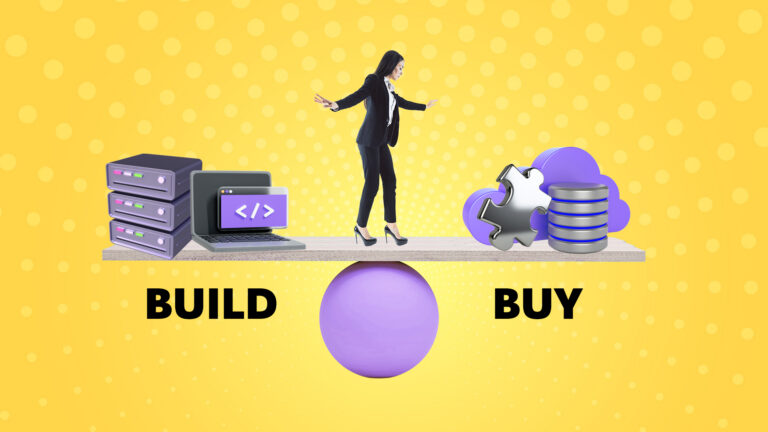
Moving to Microsoft Azure is not simply a question of whether a business should adopt the cloud. The more important decision is how existing applications, infrastructure, and data should move—and whether some systems should be modernized in the process.
For organizations in the Philippines, this decision can affect long-term cloud costs, application performance, security, scalability, and the technical resources required to maintain the environment.
In this guide, ClinkIT Solutions explains the difference between Azure migration and application modernization, when each approach makes sense, and what businesses should evaluate before choosing a strategy.
The Fast Track: Lift-and-Shift Migration
Let’s look at basic migration first. The industry usually calls this a “lift-and-shift” (or rehosting). You take your on-premises workloads and move them directly into Azure Virtual Machines. The underlying code stays exactly the same.
Why do this? Usually, the clock is ticking. A datacenter lease might be expiring, or physical hardware is failing. Lifting and shifting gets you out of a bad situation fast, with minimal disruption to your daily operations.
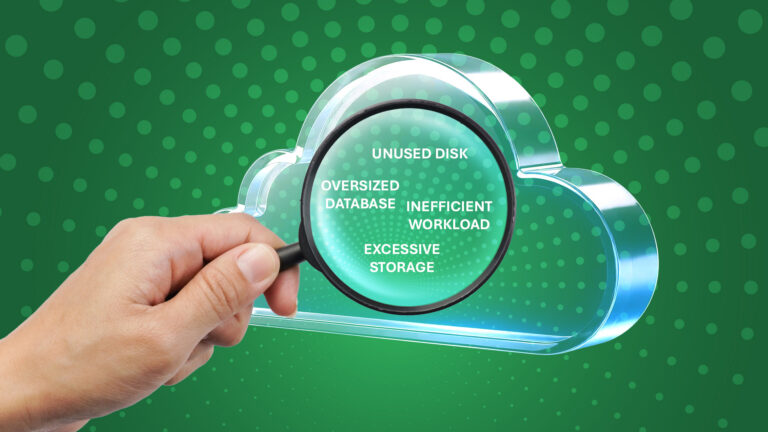
But there’s a trap here. Whatever bugs, bottlenecks, or massive memory leaks lived in your basement server room will now live in Azure. Cloud billing runs on a consumption model. If you run heavy, unoptimized legacy apps 24/7 on oversized virtual machines, you are guaranteed to experience massive sticker shock when that first monthly invoice arrives.
The Strategic Play: Application Modernization
Then there’s modernization. This means refactoring or entirely rearchitecting your systems to actually use cloud-native capabilities like Azure App Service, Azure Container Apps, or Azure Kubernetes Service (AKS).
Instead of paying for virtual hardware that sits idle on weekends, modernized apps use dynamic autoscaling. They expand when customer traffic spikes and scale down to absolute zero when idle. You only pay for the exact compute power you use. By breaking clunky monoliths into agile microservices, your engineering team can also push out new features faster and isolate failures before they crash the entire system.
More importantly, modernization is the only way to get ready for AI. Artificial intelligence models—like those powering Retrieval-Augmented Generation (RAG) or custom voice assistants—cannot function on messy, siloed legacy databases. They require clean, event-driven data streams.
What Philippine Businesses Should Consider
For Philippine organizations evaluating Microsoft Azure, the right migration strategy should account for more than infrastructure costs alone.
Businesses should consider application dependencies, connectivity, security requirements, business continuity, cloud operating costs, existing Microsoft licenses, internal technical capabilities, data requirements, and the level of ongoing support needed after migration.
A workload that can be moved quickly through rehosting may not need immediate modernization. On the other hand, applications limited by legacy architecture, difficult integrations, or scaling problems may benefit from modernization before additional cloud investment is made.
The best approach is determined workload by workload rather than applying the same migration method across the entire organization.
Managing the Chaos
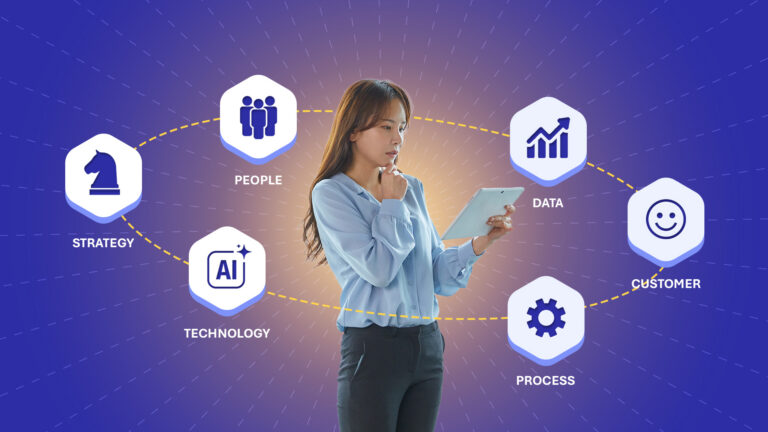
You shouldn’t guess your way through either path. Microsoft’s Cloud Adoption Framework (CAF) lays out exactly how to build a secure Azure Landing Zone before you move a single byte of data. It forces teams to establish FinOps—where engineering and finance collaborate to kill cloud waste—and locks down a Zero Trust security model so you aren’t relying on outdated perimeter defenses.
Pulling this off without breaking your live environment takes serious engineering chops. That’s where a partner like ClinkIT Solutions comes in. As a Multi-Gold Certified Microsoft Partner with two decades of experience, they know where the migration landmines are hidden. They’ve transitioned startups and multinationals alike, ensuring that cloud architectures align with actual commercial goals rather than just ticking IT checkboxes.
Rehosting gets you out of a dying datacenter quickly, but modernization builds a foundation that actually scales. Figure out your timeline, budget, and appetite for change, and bring in the right partner to execute the transition safely.
Let’s build smarter campaigns together. Reach out to our team today.
Whether you’re starting from scratch or optimizing what you already have, we’ll help you turn great ideas into powerful, high-performing digital experiences.